Why be a designer in defense?
A brief on the history of HCI & UXR in Defense
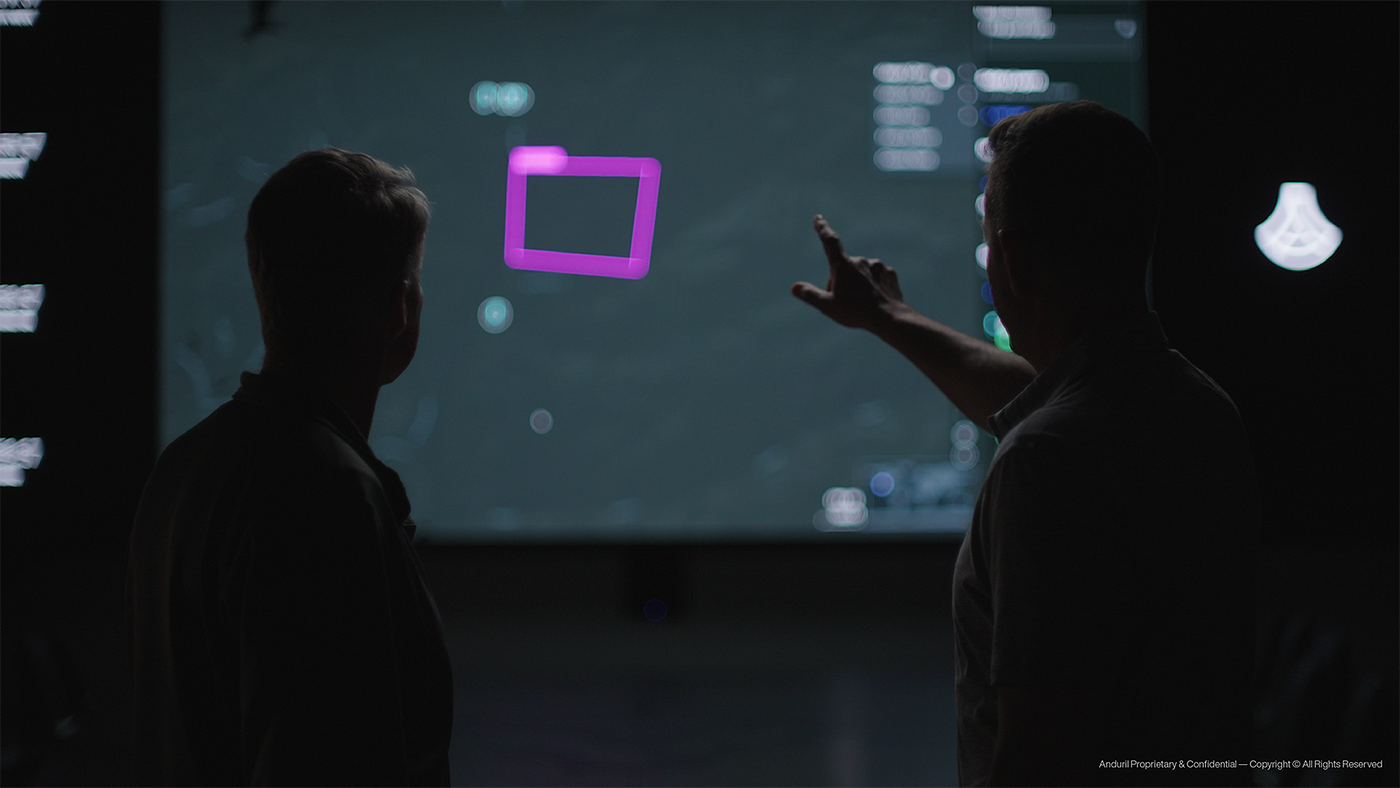
When I tell people where I design, I get mixed reviews. Some automatically assume I build weapons of war. Others ask why I’d spend my days designing for defense when I could be polishing dashboards at a B2B SaaS startup or shipping global features at big tech. Why design in a field so entangled with conflict, controversy, and risk?
But this question misses something essential: the defense world is where design has always mattered most. Here, the stakes aren’t measured in retention metrics or click-through rates. They are measured in human lives — sometimes thousands at once. In the flashing panic of a control room, design has determined whether people live or die.
The discipline we now call human-computer interaction was first born in environments like the quiet of a B-17 cockpit. Not out of curiosity. Out of necessity. At the cost of life.
B17 Crashes during WW2
In World War II, psychologist Alphonse Chapanis looked at the wreckage of “pilot error” and asked: What if the pilots weren’t the problem? The B-17 and B-25 pilots, experts who had practically lived their lives in planes, returned from missions, only to lower their landing gear when they meant to lower their flaps, or vice versa. The levers were side by side, identical in shape. Chapanis redesigned the levers with simple haptics — one with a rubber wheel on the handle, the other with a triangular flap. Suddenly, the accidents stopped. He had not changed the pilots. He had changed the interface.
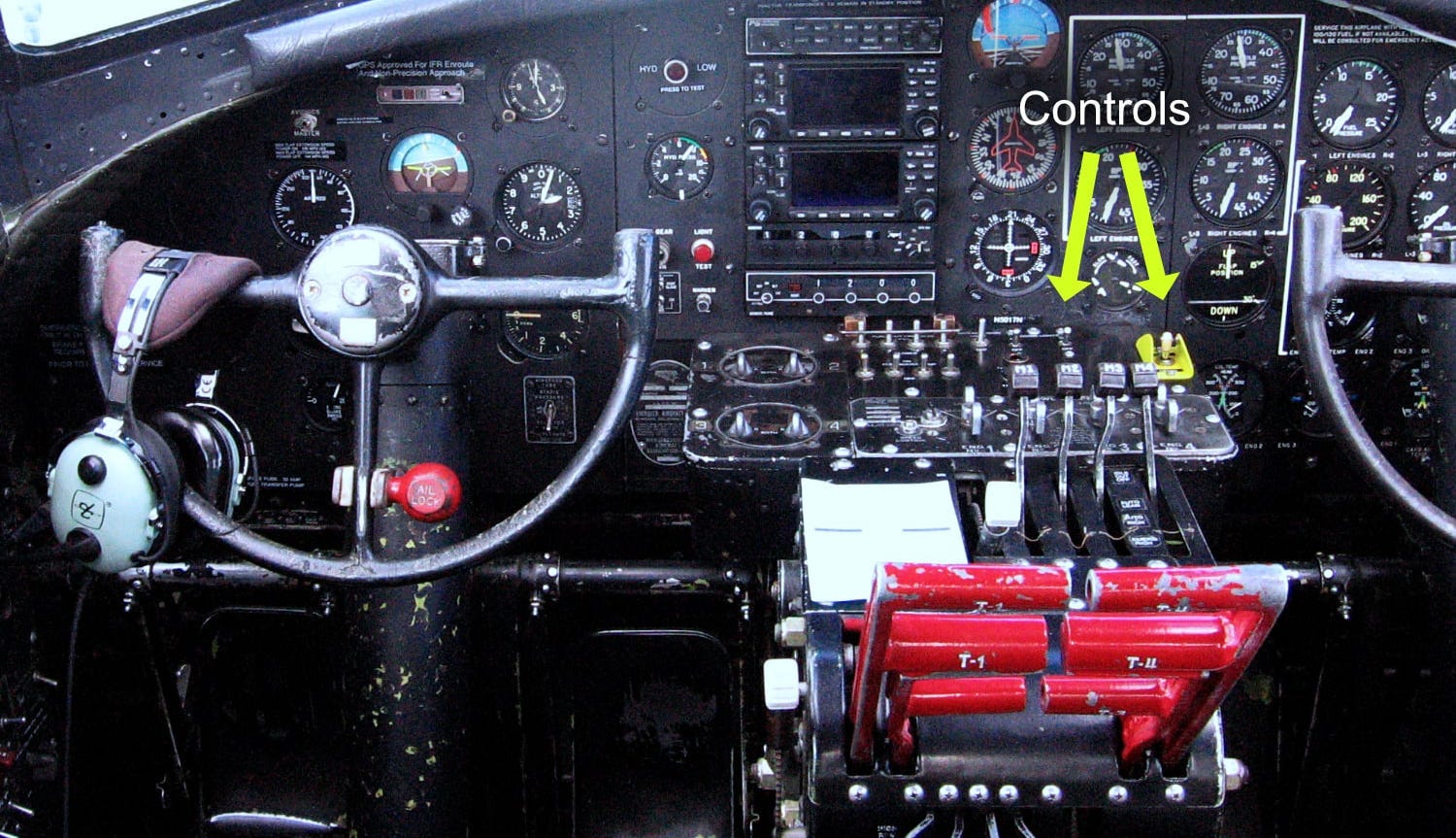 B17 cockpit
Three Mile Island
Decades later, another disaster for a similar reason. A nuclear reactor spiraled toward meltdown not because operators lacked training, but because the control room drowned them in noise. Alarms blared in cacophony, hundreds of lights blinked without hierarchy, and indicators contradicted each other. The problem was an open valve being presented as closed in the interface. The cost: 2 million people overexposed to radiation, permanently changing the nuclear industry.
The control room at Three Mile Island Unit 1, built in 1974
The history of control rooms is, in this way, a history of our blindness. We told ourselves that operators must adapt to the system, that errors were their burden to bear. And yet every catastrophe whispered the same truth: it was never human error alone. It was the design.
This is why design in the defense industry has always mattered more than most are willing to admit. The work is not cosmetic. It is existential. To place a button here instead of there, to make a signal legible or obscure, to build trust and focus in high-pressure, chaotic environments — these are choices with real consequences.
User experience research in this domain is not so much about delight or craft, nor conversion rates and engagement loops. It is about whether the sailor knows which switch will vent seawater, whether the pilot knows which light signals a fire, and whether the commander reads the signal from noise before catastrophe. All of this in highly tactical environments where circumstances can change in mere moments.
And here is the strange fulfillment of such work: that the designer of a humble knob, or a warning light, or a sequence of screens will be the difference between averted catastrophe and another entry in the long ledger of “human error.”
To be a designer in defense is to wrestle daily with the deepest question of design itself: not what looks beautiful, but what keeps us alive.
References
Thanks to Dr. Stacy Branham, Informatics 131, UC Irvine School of Information & Computer Science, for teaching me the history of HCI
David Hall, Pilot Error, Chapanis and The Shape of Things to Come, https://uxmag.com/articles/pilot-error-chapanis-and-the-shape-of-things-to-come
Backgrounder on the Three Mile Island Accident, https://www.nrc.gov/reading-rm/doc-collections/fact-sheets/3mile-isle.html